Best Time to Replace a Roof in Georgia: The Short Answer
Late fall through early winter, roughly October through January, is the best time to replace a roof in Georgia for most homeowners. The weather is dry and mild, shingles seal properly without extreme heat, and demand drops after summer storm season, which can mean shorter waits and sometimes better pricing.
That said, the honest answer is that Georgia’s mild climate lets you replace a roof in any month. There is no season here when work shuts down the way it does up north. The “best” time is really about three things: getting weather that helps the materials, avoiding the peak-demand crunch, and not waiting so long that a failing roof leaks first. If your roof is actively leaking, the best time to replace it is now, whatever the calendar says.
This guide goes month by month through a Georgia year so you can pick the timing that fits your roof and your schedule.
Why Timing Matters Less Here Than Up North
In northern states, roofers lose months to snow and freezing temperatures. Asphalt shingles need warmth to seal, and you cannot lay them on an icy deck. Georgia does not have that problem. Metro Atlanta sees mild winters, only occasional freezes, and rarely enough snow to stop work for more than a day or two.
What we have instead is heat and storms. Summer brings 90-plus degree days and afternoon thunderstorms. Spring brings the hail and wind that damage roofs in the first place. So in Georgia, timing is less about whether a crew can work and more about working with the weather rather than against it, and about beating the rush that storms create.
That is good news. It means you have flexibility most of the country does not. You can plan a replacement around your life instead of racing a closing weather window.
Fall and Early Winter: The Sweet Spot
October through January is when conditions line up best. Daytime temperatures sit in a comfortable range, usually 45 to 70 degrees, which is close to ideal for installing asphalt shingles. The adhesive strips on the shingles need warmth to activate and bond, but not the punishing heat of July. Mild fall days give that bond without softening the shingles or cooking the crew.
Rain also eases off compared to spring and summer. Fewer washed-out days means a crew can start and finish on schedule, which matters because an open roof mid-install is vulnerable to any storm that rolls through.
Demand is the other advantage. The rush of summer storm claims has worked through the system by fall. With fewer homeowners competing for crews, you often get on the schedule faster, and some contractors price more competitively in their slower stretch. If you have a roof you know needs replacing and it is not leaking yet, fall is the season to plan it.
The one watch-out is the holidays. Scheduling tightens around late November and December as crews take time off, so book a few weeks ahead if you are aiming for that window.
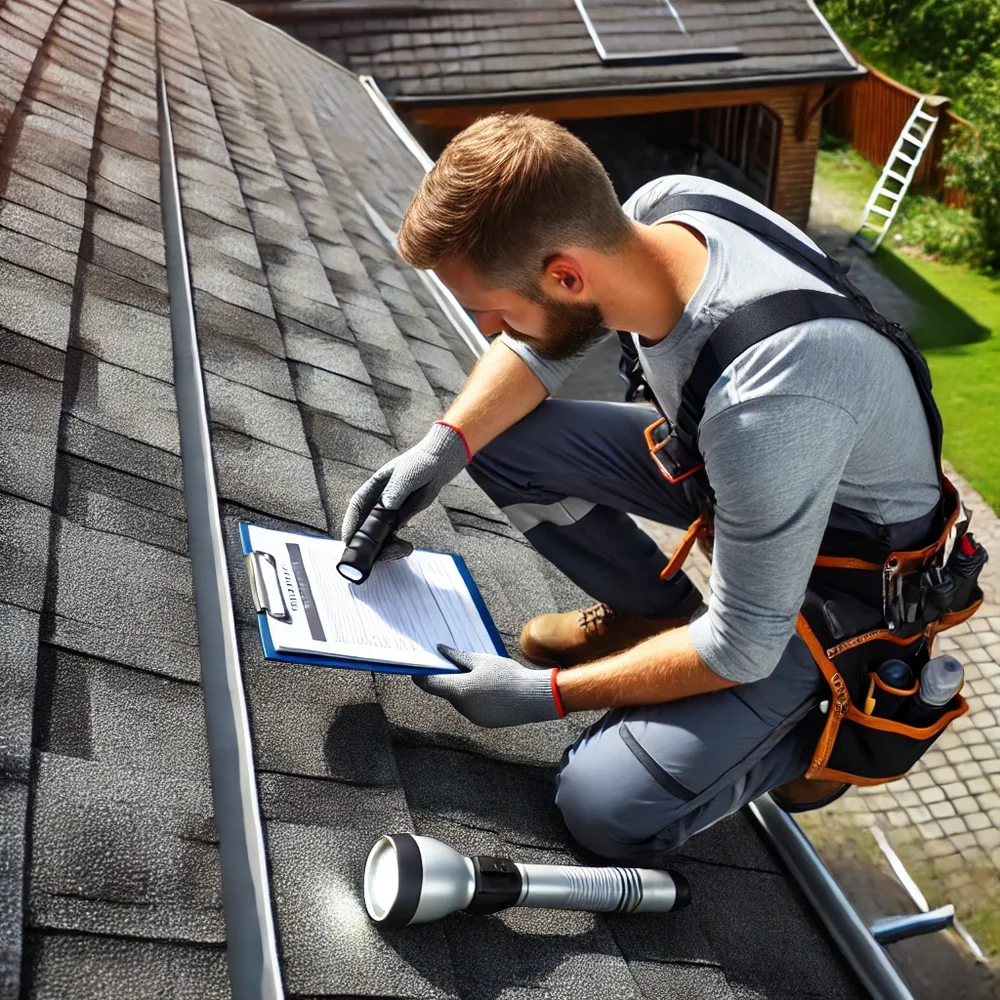 A roof inspection helps you plan replacement timing before a small problem turns into an emergency.
Spring: Storm Season and the Demand Spike
March through May is metro Atlanta’s active severe-weather stretch. Hail and straight-line wind move through, and a lot of roofs take damage. That creates two effects worth understanding.
First, spring is when many homeowners discover they need a roof at all, because a storm exposed the problem. If you have storm damage, you do not wait for an ideal season, you file the claim and get it handled before the next front arrives. Run the free storm damage check right after any serious storm so nothing gets missed inside the claim window.
Second, all that storm damage spikes demand. Reputable crews book out, and the busiest contractors may push your timeline by weeks. Pricing can firm up too when everyone needs a roof at once. So spring is a fine time to replace a roof from a weather standpoint, mild temperatures, workable conditions, but it is the most crowded and competitive season for getting on a schedule.
The takeaway: if your replacement is storm-driven, move fast and document everything. If it is a planned replacement and not urgent, you may get a calmer experience by waiting for fall.
Summer: Workable but Hot
June through September is the hot stretch, and roofs get replaced all summer long in Georgia. It is not off-limits. But the heat changes things.
Surface temperatures on a roof in July can climb past 150 degrees. That is hard on the crew, so good contractors start early in the morning and may pause through the worst afternoon heat. It can also make shingles more fragile to handle, which a skilled crew manages by working in the cooler hours. The other summer factor is the daily thunderstorm pattern. Afternoon storms can interrupt a job, so crews plan around them and keep the open roof protected.
Summer does have an upside on demand. The post-spring rush has often eased by midsummer, so availability can open back up compared to the spring peak. If your schedule points to summer, it works. Just expect early start times and a little weather-driven flexibility in the timeline.
Winter: Underrated in Georgia
December through February gets overlooked, but Georgia winters are mild enough that roofing continues with few interruptions. On the occasional hard-freeze morning, a crew may wait for temperatures to climb before laying shingles, since the adhesive seals better above 40 degrees. But true work stoppages are rare here.
The payoff is that winter is often the lowest-demand season of the year. That can mean the shortest wait for a crew and, with some contractors, the most flexibility on scheduling and price. If you can handle a possible one-day delay for a cold snap, winter is a quietly smart time to replace a roof in metro Atlanta.
When You Should Not Wait for the “Best” Season
All of this assumes you have a choice. Often you do not, and forcing a failing roof to wait for fall is a costly mistake.
Replace now, regardless of the calendar, if the roof is actively leaking, if a storm has left shingles or decking exposed, or if you see sagging. In Georgia’s humidity, water that gets into the roof structure causes rot and mold within months, and a delayed replacement can turn into a replacement plus interior and structural repairs. A roof that is one bad storm from failing is not worth gambling through another spring.
If you are unsure how much time you have, get an inspection. A roofer can tell you whether your roof can safely wait for an ideal window or whether it needs to come off now. When you are budgeting, the roof cost calculator gives you a quick replacement estimate, and roof replacement in Dunwoody covers what the process looks like start to finish.
A Simple Way to Plan It
Here is the practical play for a Dunwoody homeowner. If your roof shows its age but is not leaking, get it inspected now, then schedule the replacement for fall or winter when conditions are best and crews are freer. If a spring storm hits, check for damage immediately and move on the claim rather than waiting. And if water is already coming in, do not wait at all.
Good timing saves money and stress. But a sound, dry roof over your head beats a perfectly timed one that leaked all winter waiting for the calendar to cooperate.
Frequently Asked Questions
What is the cheapest time of year to replace a roof in Georgia? Late fall through winter, roughly November through February, tends to be cheapest because demand drops after storm season. Some contractors price more competitively in their slower months.
Can you replace a roof in winter in Georgia? Yes. Georgia winters are mild enough that roofing continues year-round with only occasional short delays for hard-freeze mornings, since shingles seal best above about 40 degrees.
Is it bad to replace a roof in summer heat? No, but it changes the workday. Crews start early and may pause during the hottest afternoon hours, and they plan around daily thunderstorms. Summer replacements are common and work fine here.
How long does a roof replacement take? A typical Dunwoody home is often done in a single day to a few days, depending on roof size, pitch, and complexity. We handle one-day replacements when the job allows.
Should I wait for the best season if my roof is leaking? No. An active leak, exposed decking, or a sagging roof needs attention right away. Waiting in Georgia’s humid climate risks rot and mold, which costs far more than the roof itself.
Plan Your Replacement With a Free Inspection
Whether you want to time a replacement for the fall sweet spot or you have damage that cannot wait, Best Dunwoody Roofer can help. We serve Dunwoody and North DeKalb with roof replacement, one-day installs when the job allows, and insurance-claim help. We will inspect your roof, tell you honestly how much time you have, and help you pick the right window. The inspection is free. Call (470) 777-7344 to get on the calendar.
Wondering what this means for your budget? Get an instant roof estimate for Dunwoody, priced from your home's actual roof size, or run a quick storm damage and insurance check.