Signs You Need a New Roof: Start Here
The fastest way to know if you need a new roof: check the age first, then look for these signs together rather than alone. A roof that is 20-plus years old showing two or three of the symptoms below is usually telling you it is done. A newer roof with one isolated problem often just needs a repair.
Here is the quick read. You probably need a full replacement if your roof is past 20 years and you see widespread granule loss, multiple curling or missing shingles across different slopes, daylight or active leaks in the attic, or sagging. You probably need a repair, not a replacement, if you have a single damaged area, a recent storm hit confined to one slope, or one leak around a vent or chimney.
This guide walks through every sign, what it means in Georgia’s specific climate, and how to tell repair from replacement before you spend money you do not need to.
1. Your Roof’s Age
Age is the first thing to check because it changes how you read everything else. Asphalt shingle roofs in metro Atlanta last 20 to 30 years. The heat, UV, and humidity here push most roofs toward the lower end of that range unless they were well ventilated and maintained.
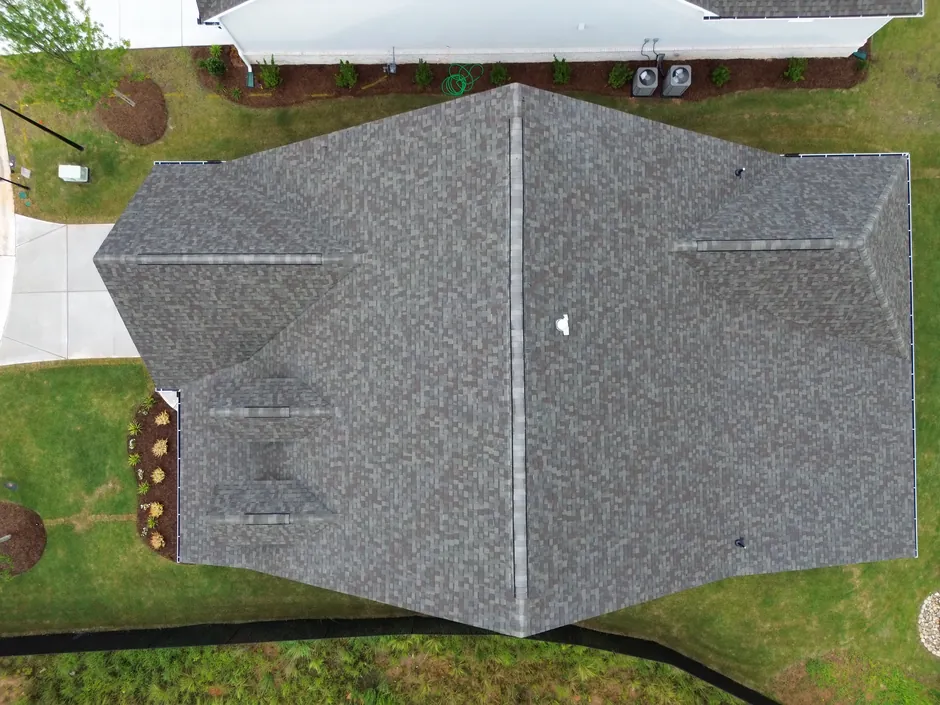
If you do not know your roof’s age, a few clues help. Check whether you have closing documents from when you bought the house. Ask neighbors in the same subdivision when they replaced theirs, since homes built in the same era often need roofs around the same time. Many Dunwoody neighborhoods went up in waves, so whole streets reach roof-replacement age together.
A 25-year-old roof that still looks decent from the ground can still be failing where you cannot see it. Age plus any one other sign on this list usually means it is time to plan a replacement rather than chase repairs.
2. Shingle Granules in the Gutters
Run your hand along the bottom of a downspout or look in the gutters. If you find a coarse, sandy buildup that looks like black or gray grit, those are shingle granules. The granules are the protective layer that shields the asphalt from UV. When they wash off, the shingle underneath starts to bake and break down fast.
Some granule loss is normal on a brand-new roof as loose material rinses off. Heavy, ongoing loss on an older roof is different. It means the shingles are wearing out across the whole surface, and that is a replacement signal, not a patch job. Bald spots on the shingles themselves, where you can see the darker asphalt mat showing through, confirm it.
3. Curling, Cupping, or Buckling Shingles
Healthy shingles lie flat. When they start curling at the edges, cupping in the middle, or buckling into waves, the material has lost its flexibility. Georgia’s heat-and-humidity cycle drives this. Repeated expansion and contraction dries out the asphalt until it warps.
A few curled shingles in one spot can be replaced. Curling spread across multiple slopes means the roof has aged out as a whole. Curled and cupped shingles also let wind get underneath, so the next strong spring front can tear them off in sheets.
4. Missing Shingles or Exposed Spots
Shingles go missing after wind events, and metro Atlanta gets plenty of those in spring and during summer thunderstorms. One or two missing shingles after a storm is a repair. What you are really checking is the pattern. If shingles are lifting and going missing in several places, or if the ones still attached lift easily when you tug a corner, the seal strip has failed across the roof and replacement makes more sense than chasing individual shingles every season.
Exposed spots are urgent regardless of cause. Bare underlayment or decking has no UV or water protection and will leak. Cover it fast.
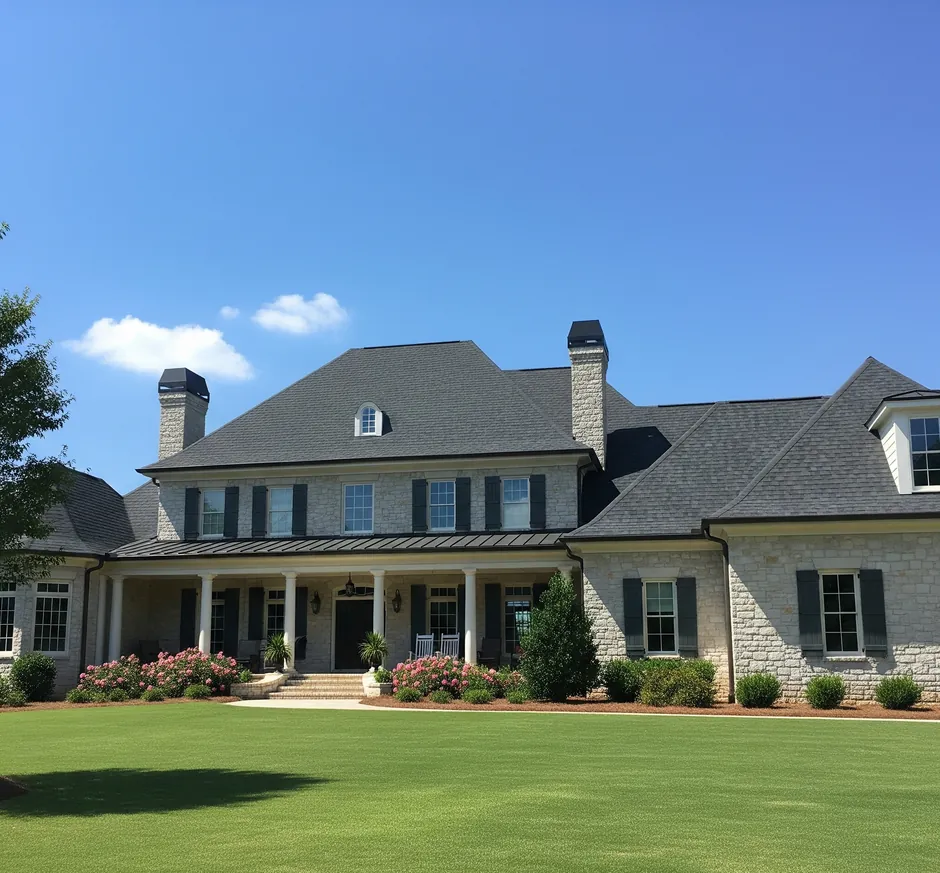 Reading the signs of a worn-out roof, from granule loss to curling shingles and failed flashing.
5. Leaks, Water Stains, and Attic Daylight
Go into the attic on a sunny day and turn off the lights. If you see pinpricks of daylight through the roof deck, water is getting in through those same gaps. Then look for water stains on the underside of the decking, the rafters, or the insulation. Dark streaks, discoloration, or a musty smell all point to moisture intrusion.
Inside the house, brown or yellow rings on ceilings and the tops of walls are the classic tell. One stain near a vent, skylight, or chimney is often a flashing problem that a roof leak repair can solve without replacing the whole roof. Multiple stains in different rooms, or staining that keeps spreading after a repair, usually means the roof system itself has failed and water is finding many paths in.
Do not wait on active leaks. In a humid climate, trapped moisture leads to rot and mold inside the roof structure within months, and that turns a roof bill into a roof-plus-structural bill.
6. A Sagging Roofline
Stand across the street and look at the ridge and the slopes. A healthy roof reads as straight, clean lines. If you see a dip, a sag, or a wavy section, something underneath has weakened. The usual cause is long-term water damage rotting the decking or, in older homes, undersized framing that has been carrying snow and storm loads for decades.
Sagging is the most serious sign on this list. It is not cosmetic and it does not fix itself. A sagging roof needs a professional out quickly, because it can signal failure in the deck or the structure that holds it up. This is rarely a repair.
7. Moss, Algae, and Trapped Moisture
Dunwoody’s tree canopy is one of its best features and one of its roofs’ biggest enemies. Shaded slopes that stay damp grow moss and algae. The black streaks you see on many Atlanta roofs are algae, mostly cosmetic on their own. Moss is the real problem. It holds moisture against the shingles, lifts their edges, and speeds up rot underneath.
A young roof with surface algae can be cleaned and treated. An older roof carrying thick moss, especially on north-facing slopes under heavy oak shade, is often already compromised beneath the growth. Keeping limbs trimmed back and the roof clear of leaf debris buys years of life either way.
8. Storm and Hail Damage
Metro Atlanta sits in an active spring storm corridor, and hail and straight-line wind do real damage. After a significant storm, hail leaves bruises on shingles, soft spots where the granules are knocked away in round patterns, and dents on metal vents, flashing, and gutters. Wind lifts and creases shingles.
Storm damage is the one situation where the age rule bends. Even a fairly new roof can need full replacement after a bad hailstorm, and insurance often covers it when the damage is documented in time. The catch is the claim window. If you suspect storm damage, run the free storm damage check and get it inspected before too much time passes. For confirmed storm hits, storm damage repair in Dunwoody covers both the repair and the insurance side.
9. Rising Energy Bills
If your summer cooling bills are creeping up and the equipment is fine, the roof and attic may be the reason. A failing roof, poor ventilation, or damaged decking lets heat pour into the attic and your air conditioner runs harder. This sign rarely stands alone, but paired with the others it adds to the case that the roof system is no longer doing its job.
10. Neighbors Are Replacing Theirs
This sounds soft but it is a real signal. Homes built in the same subdivision and the same year tend to need roofs around the same time, because they got the same materials and the same weather for the same number of years. When several houses on your street get new roofs in one or two seasons, your roof is likely close behind. It is a good prompt to get yours looked at before a leak forces the decision in the middle of a storm.
Repair or Replace? How to Decide
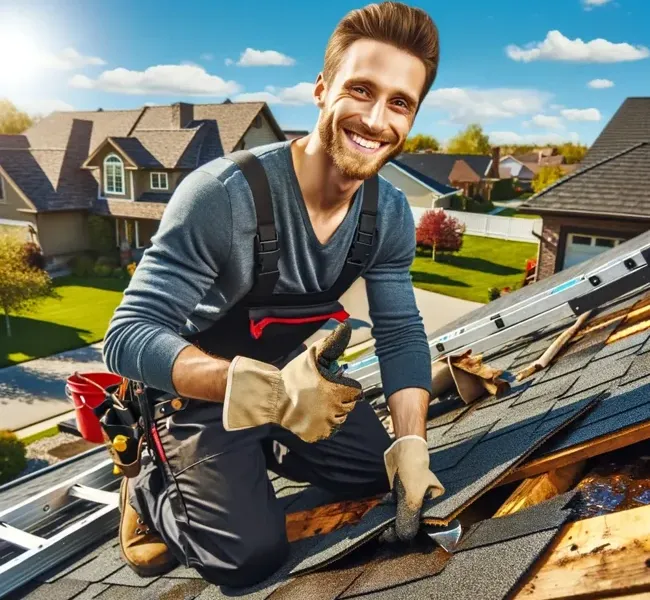
Lean toward repair when the damage is localized, the roof is under 15 years old, and there is just one problem area, like a few storm-damaged shingles or a single flashing leak. A good roofer will repair rather than upsell when a repair genuinely solves it.
Lean toward replacement when the roof is past 20 years, you are seeing several of these signs at once, the leaks are spreading, or the roof has sagging or widespread granule loss. Replacing makes more sense than repeated repairs once the underlying material is worn out across the whole roof, because you will otherwise pay for patch after patch on a roof that keeps failing in new spots.
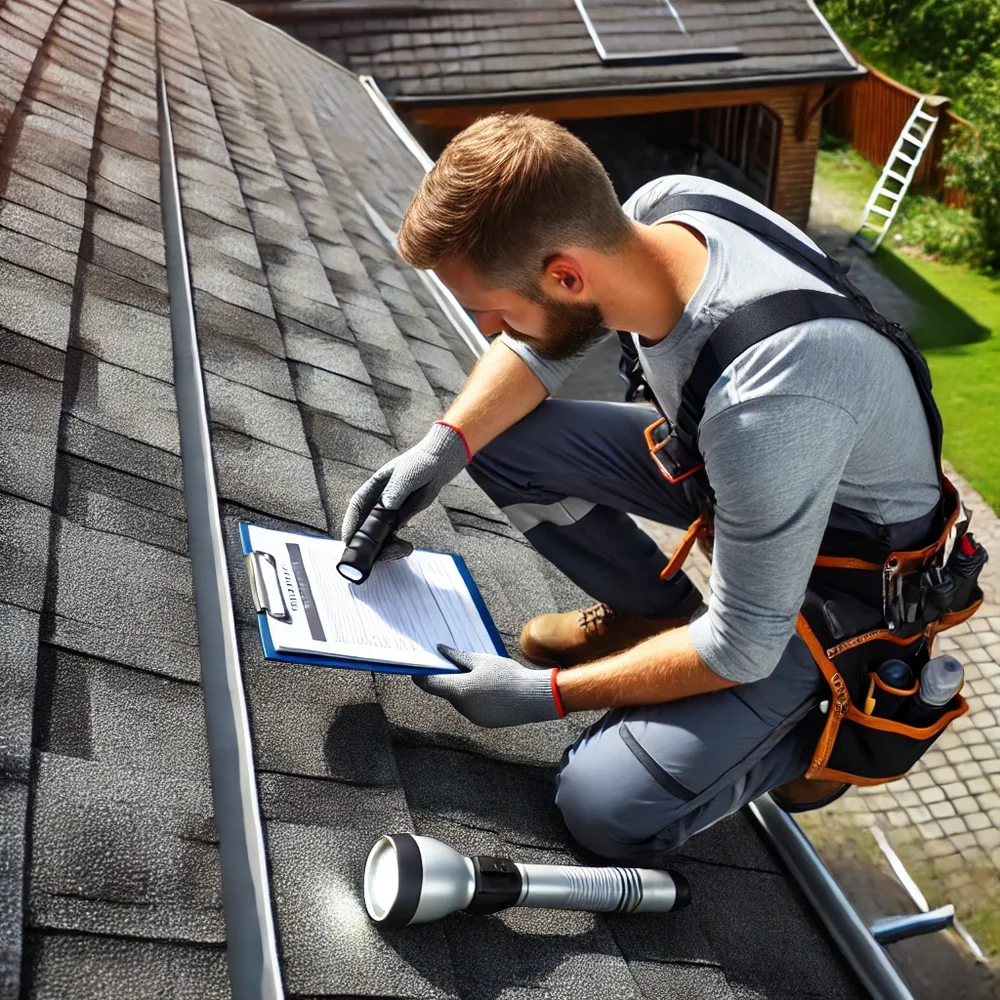
When you are genuinely unsure, get a real inspection before you decide. Use the roof cost calculator to ballpark a replacement so the number is not a surprise, then have someone walk the roof. A 30-minute inspection beats guessing from the ground every time.
Frequently Asked Questions
How long does a roof last in Georgia? Asphalt shingle roofs in metro Atlanta typically last 20 to 30 years. Heat, UV, humidity, and tree shade push many toward the lower end unless the attic is well ventilated and the roof is kept clear of debris.
Can I just repair my roof instead of replacing it? Often, yes. A localized problem on a roof under 15 years old usually calls for a repair. Replacement makes sense once the roof is past 20 years or shows several signs of wear across multiple slopes.
Do roof leaks always mean I need a new roof? No. A single leak around a vent, skylight, or chimney is usually a flashing repair. Multiple leaks in different areas, or leaks that return after a repair, point to a roof that has failed system-wide.
Will insurance pay for a new roof? Insurance commonly covers roof replacement when storm or hail damage is documented within the claim window. Normal age-related wear is not covered, which is why a timely inspection after a storm matters.
How do I find out how old my roof is? Check your home purchase records, ask the previous owner or your neighbors who replaced their roofs around the same time, or have a roofer estimate it during an inspection.
Not Sure What You Are Looking At? Get It Inspected
If you have spotted one or more of these signs and want a clear answer, Best Dunwoody Roofer can help. We will inspect the roof, tell you honestly whether it is a repair or a replacement, and walk you through the claim if a storm is involved. The inspection is free. Call (470) 777-7344 to schedule it.
Wondering what this means for your budget? Get an instant roof estimate for Dunwoody, priced from your home's actual roof size, or run a quick storm damage and insurance check.